eCommerce
Olivit and the
B2B eCommerce transformation
Olivit is a company operating in the supplements and health sector, conducting B2B sales across multiple European markets. For years, it utilized a heavily customized Magento 1, which combined functions typical for ERP, WMS, and CRM into a single application. Over time, the system became difficult to maintain, and the end of support for Magento 1 highlighted the necessity of modernizing the environment.
Scope of work
B2B Development
Key features
Magento 2, Hyvä
Industry
Dietary supplements
Year of implementation
2026
While Magento 1 effectively supported sales for years, it eventually began to slow down growth. The expanding monolith generated technical debt, limited scaling, and made it difficult to implement new functionalities.
Olivit needed a solution that would offload the system, improve performance, and allow the platform to be developed in a predictable, controlled manner.

Project goals were clearly defined and included:
- Migration from Magento 1 to a stable, supported Magento 2 platform
- Separation of key processes into microservices
- Designing a modular architecture ready for scaling
- Maintaining sales continuity throughout the entire process
- Refreshing technological foundations for years of development
Cooperation process
The project began with a process analysis and workshops with the Olivit team. Based on this, a UX/UI design was created, followed by the development of the backend, frontend, DevOps architecture, and post-implementation monitoring.
The project was built from the ground up. The scope covered the full implementation cycle: from analysis and UX design, through development, PIM system implementation and integrations, and DevOps activities, to providing SLA maintenance.
Key to the success was conducting work in two parallel streams: building the store in Magento 2 and developing microservices. Thanks to this, individual functions could be gradually migrated without sales downtime.
An iterative approach and ongoing cooperation with the Olivit team allowed for precise definition of the MVP scope and planning of further development stages.
A new technological foundation
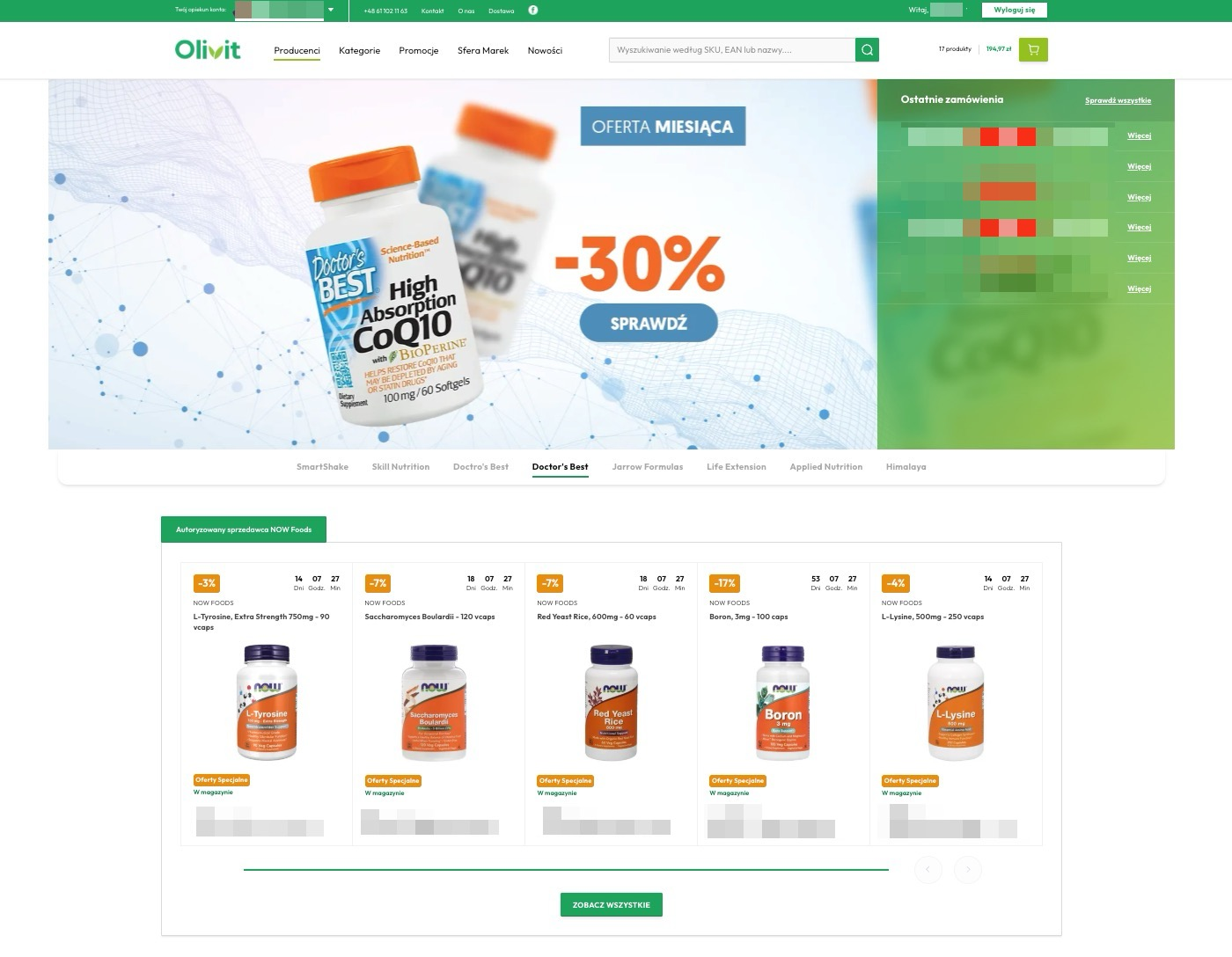
The new store was built on Magento 2 and Hyvä, providing a lighter, faster frontend. React Checkout is now responsible for a smooth purchasing process, and ElasticSuite improves searching and catalog management.
Alongside it, a set of microservices based on Python and Django REST was created, communicating via RabbitMQ and running on PostgreSQL. The administration panel was built in React. The entire system operates in Kubernetes, ensuring scalability and deployment independence.
Transitioning to a composable architecture model allowed for the combination of ready-made applications (Magento 2, Odoo, Pimcore) with custom-designed service elements. This change freed the system's development from the constraints typical of a monolith.
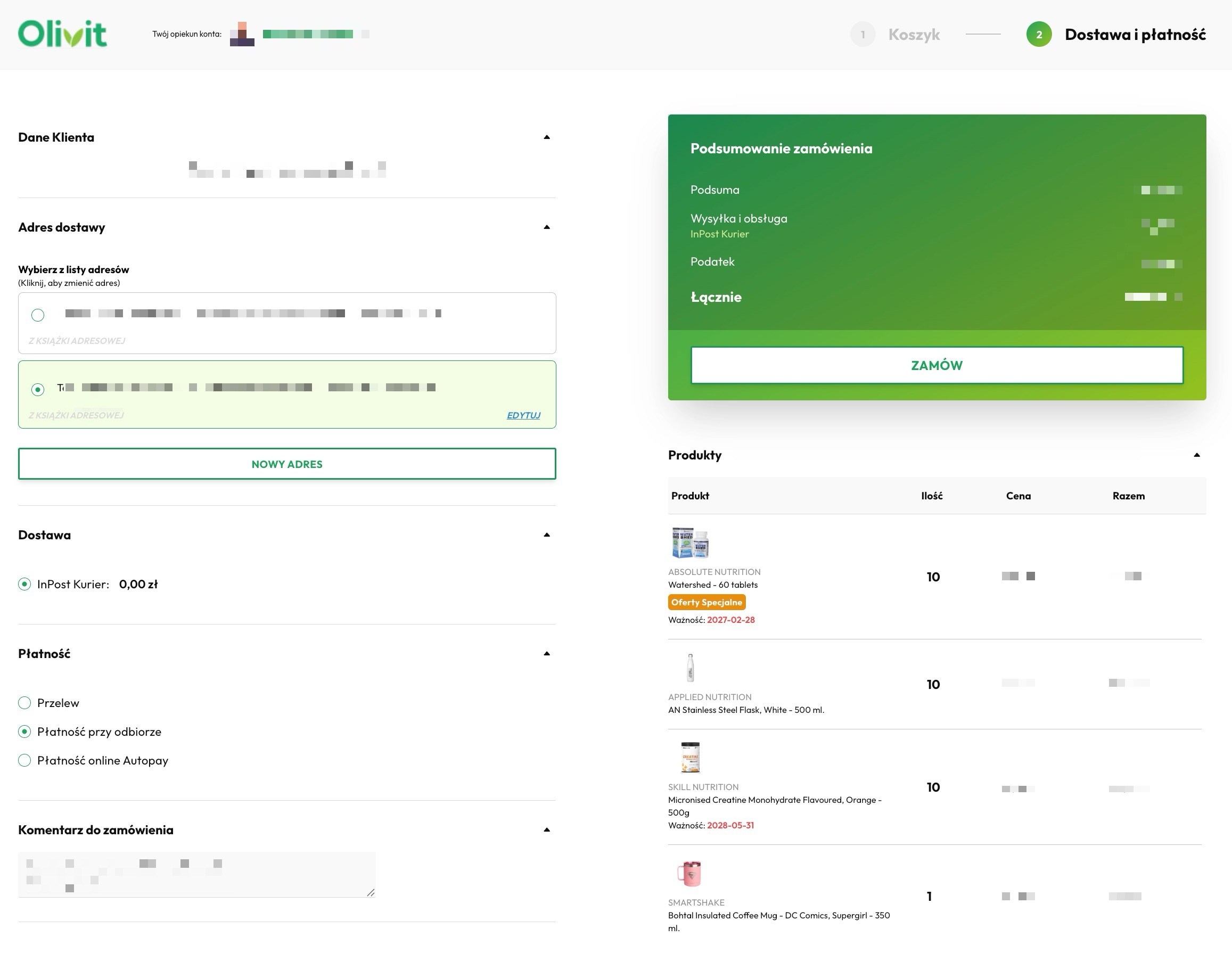
Key features and their impact on business results
The platform's transformation translated into a series of functionalities that realistically improved the daily work of sales and operational teams. One of the most important elements was a microservice dedicated to pricing, which took over the handling of individual price lists, product promotions, and cart discounts. Crucially, all values are now calculated in real-time, including currency conversion and priorities between promotions, so contractors always see up-to-date, consistent prices. This approach significantly offloaded the main system while improving the transparency of sales processes.
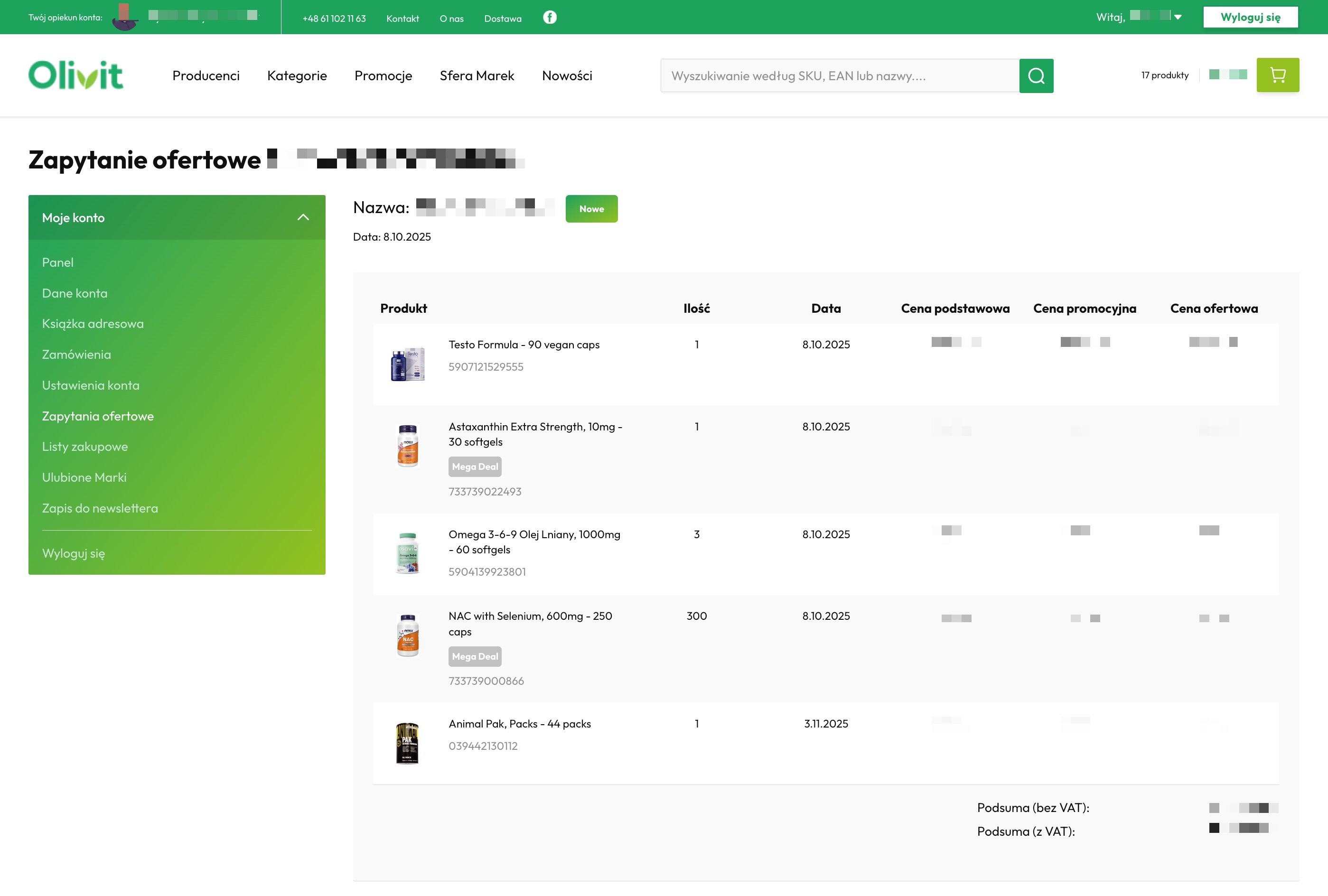
A similar role in streamlining communication is played by the quote request module, which centralizes the entire quoting process. Contractors submit inquiries directly from the platform, and sales representatives handle them in one place without needing additional tools. This organized the information flow and shortened the time required to prepare offers, resulting in faster purchasing decisions on the customer side.
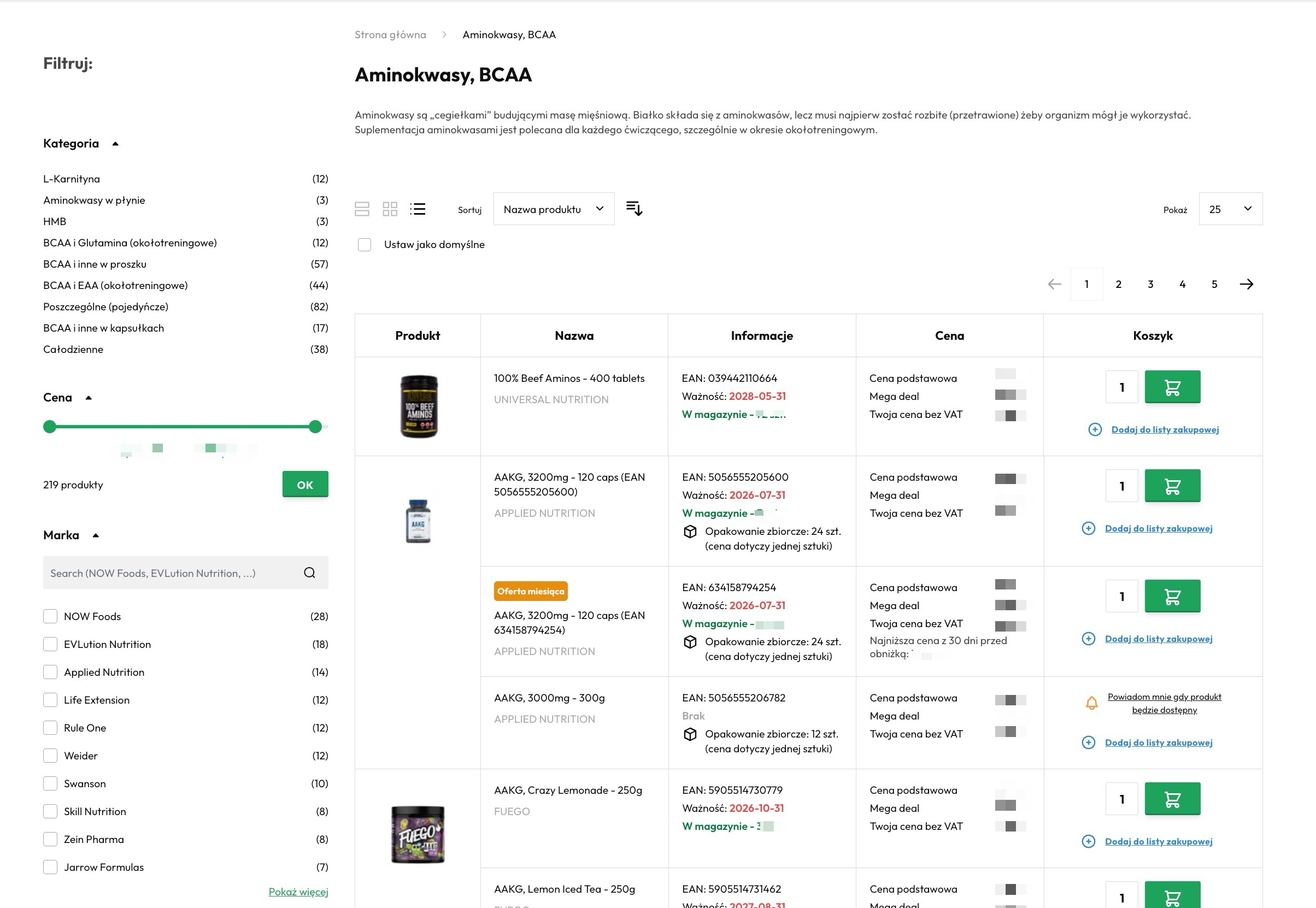
Managing product content also proved to be a significant area of transformation. As part of the project, a microservice generating labels compliant with legal requirements was created, and a product exclusion mechanism allows for precise adjustment of assortment visibility to the requirements of specific markets or contractor groups. As a result, the offer presented to the customer is always current and compliant with regulations.
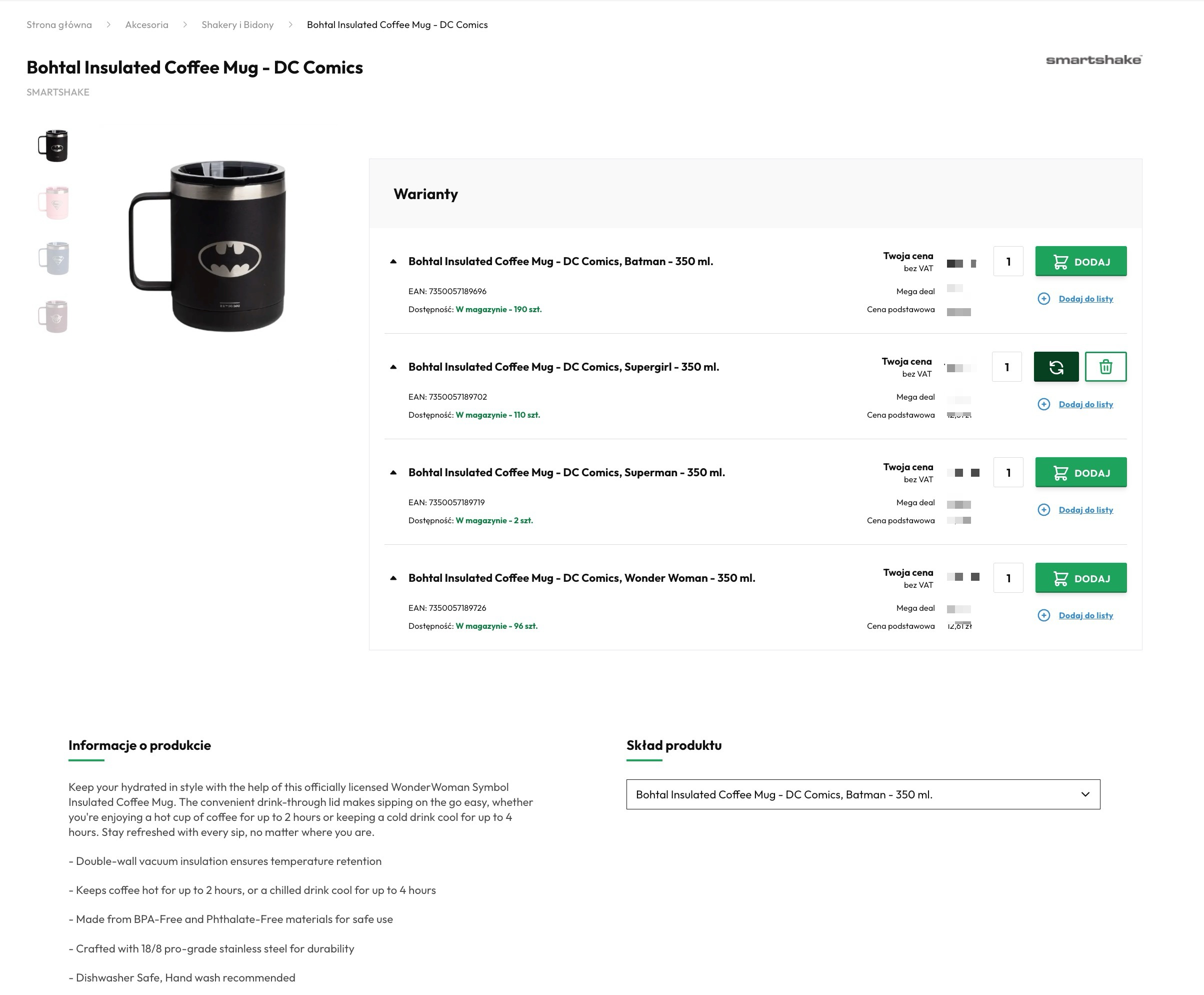
Everything was complemented by the creation of a new B2B module, which introduced a dedicated "contractor object." It replaced the standard Magento user account structure, enabling the mapping of complex organizational structures and assigning multiple employees to a single company. This solution organized the way B2B relations are managed and created a stable foundation for further automation of sales processes.
Accessibility and Security
The platform's design incorporated WCAG requirements and security standards from the beginning to guarantee stability and long-term reliability of the environment. In terms of accessibility, keyboard support, compatibility with screen readers, and a widget allowing for adjustment of contrast, font size, link highlighting, or grayscale mode were implemented.
In parallel, a solid layer of security and system maintenance was ensured, including monitoring, operational procedures, and a Disaster Recovery Plan being prepared, which integrates all elements of the ecosystem – store, microservices, and external systems. Full monitoring is provided by tools such as Zabbix, Sentry, and ELK, allowing for quick diagnosis and immediate reaction to potential irregularities. Thanks to this, any malfunction in the store's operation will be quickly caught and fixed.
Summary
The eCommerce transformation at Olivit brought a transition from an inefficient monolith to a modular, scalable ecosystem based on Magento 2 and microservices, which significantly increased stability, speed of implementation, and flexibility of B2B processes. New functionalities – from a dynamic pricing system and a quote request module to product content management and extensive contractor support – have streamlined team operations and improved customer experience. Supplementing the architecture with WCAG standards, advanced monitoring, and solid security mechanisms has created a foundation for the platform's further development.
Have an idea?
We'd love to bring it to life! Let's go